
Maximise Customer Satisfaction with HubSpot Service Hub
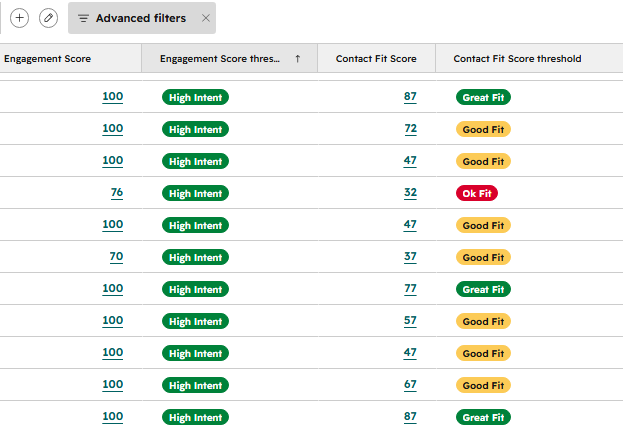
Marketing says leads are up. Sales says pipeline is thin. Service says half these "closed-won" customers are still waiting on onboarding. Three teams, three sets of numbers, none of them lining up - and everyone's quietly assuming someone else has it wrong.
That's the problem revenue operations exists to fix.
What RevOps actually means
Revenue operations (RevOps) is the practice of aligning sales, marketing and service around one shared system, one set of definitions, and one source of truth - so every team is working from the same data and the same view of the customer journey.
It's not a rebrand of "ops" or another word for automation. RevOps is the strategic layer that sits above the day-to-day tools, making sure the CRM, the processes, and the reporting all tell the same story.
Why disconnected data causes real problems
When teams work from different numbers, the damage isn't abstract. Leads fall through the cracks between marketing handoff and sales follow-up. Forecasts get built on pipeline data that sales doesn't fully trust. Service teams inherit customers with no context on what was promised during the sale. And leadership ends up in meetings arguing about whose report is "right" instead of making decisions.
Most of this comes down to fragmented CRM data - duplicate records, inconsistent lifecycle stages, workflows built by three different people at three different times. CRM data management and cleansing isn't a one-off tidy-up; it's the groundwork RevOps depends on.
What RevOps looks like inside HubSpot
For businesses running on HubSpot, RevOps HubSpot implementation typically means:
- One source of truth - contact, company and deal records structured consistently, with duplicate and legacy data cleaned up.
- Shared lifecycle stages - a lead means the same thing to marketing and sales; a customer means the same thing to sales and service.
- Aligned reporting - dashboards built once, trusted by every team, rather than each department pulling its own numbers.
- Automation that connects the dots - marketing automation and workflows that hand leads across cleanly instead of dropping them at the boundary. Where HubSpot's native tools hit a limit, n8n automation and Clay enrichment can extend that connectivity further, keeping data accurate and up to date without manual admin.
This is where a HubSpot CRM consultancy earns its keep - not by adding more tools, but by getting the ones already in place to actually agree with each other.
Signs a business needs RevOps
A few reliable signals:
-
Marketing and sales report different numbers for the same period.
-
Leads get "lost" between teams with no clear owner.
-
Forecasts change depending on who's presenting them.
-
Onboarding and service teams are surprised by what was sold.
-
Reporting takes days to pull together and still gets questioned.
If more than one of these sounds familiar, the issue usually isn't effort - it's alignment.
Where to go next
We've helped businesses across Suffolk, East Anglia and further afield - including Cambridge and London - untangle exactly this kind of disconnect, most recently through CRM consolidation projects like the DTB Sports & Events HubSpot migration, which brought 7,190 records and over 250,000 emails into a single, structured system.
As a HubSpot Diamond Partner and solutions partner, we build revenue operations strategies specifically for the way HubSpot works - not generic frameworks bolted on afterwards.
If your teams are working from different numbers, that's usually the first sign RevOps is worth a proper look. Explore our RevOps Consultancy.